
Blog Post Five: Ways your horse is trying to communicate with you that they are in pain
Horses are a prey species so showing signs of weakness can be an alert to a potential predator that they may be an easy target. Therefore, some horses can be incredibly stoic, and their signs of pain may be masked. Look for these changes in behavior, gaits, and habits that might signify that your horse is in pain:
Grooming
having trouble turning around in the crossties
constantly shifting from one leg to another
pawing
being overly quite or dull (change in behavior)
pinning ears back while being brushed
swishing tail while being brushed
biting at the crossties or the air or towards you
giving the “stink eye”
trying to move away
teeth grinding
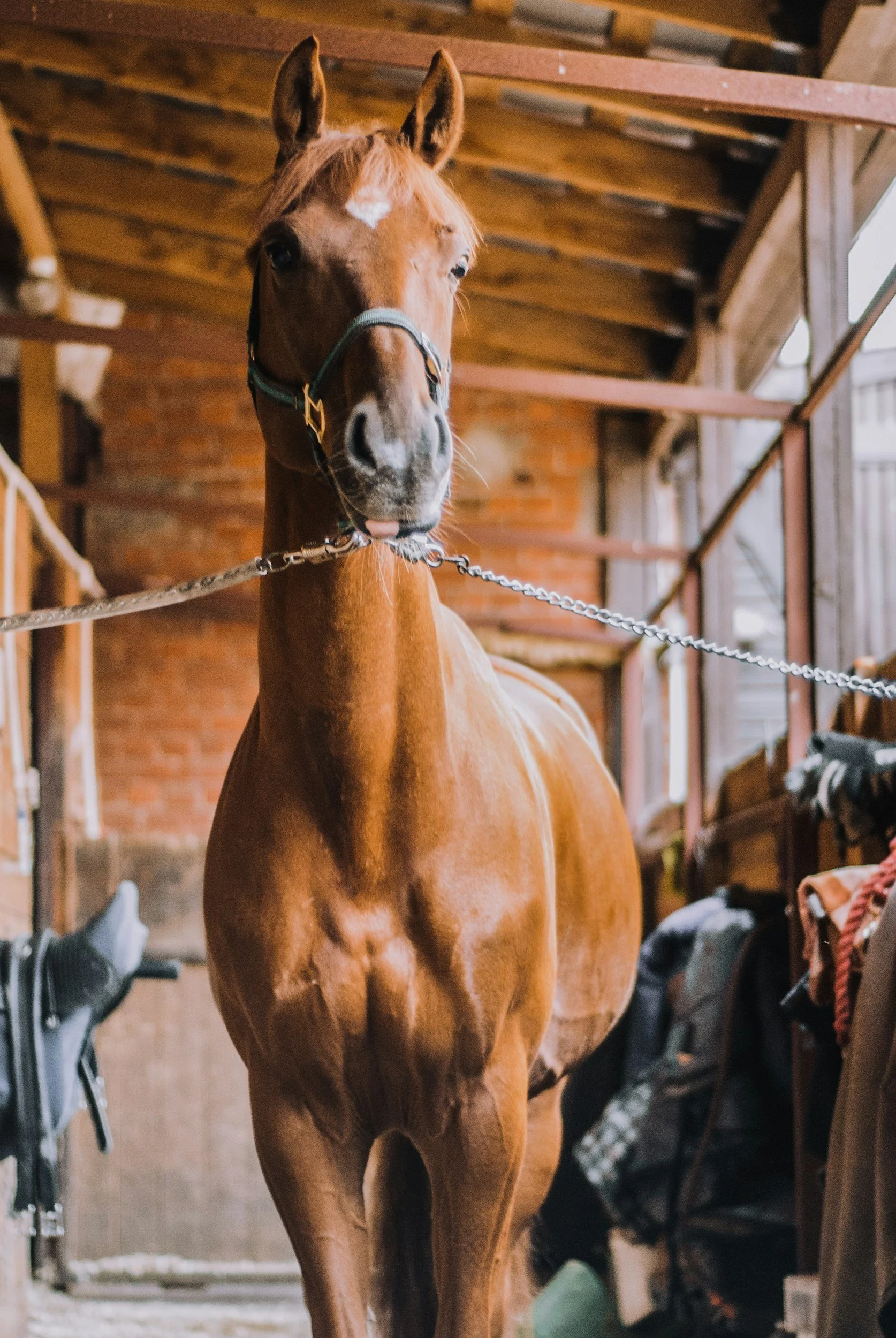
Tacking Up
moving away or doing any of the above movements when you put on the saddle pad, saddle and/or while girthing up
turning their head away from you when you go to put the bridle on them
keeping head in a lowered position
Lifting head out of reach when you go to put on the bridle
rounding or hollowing of the back
muscle spasms or twitching
overly yawning or stretching after the tack has been removed
Riding
sighing or groaning when you get on
trying to move away when you get on, especially if this is a new behavior
not wanting to move forward off your leg
kicking out at your leg
having a difficult time picking up one lead or the other in canter
throwing their head up in upward transitions
raising their head to walk forward out of a rein-back
having trouble backing up under saddle or in hand
showing more reluctance to move forward
restricted or shortened strides
stiffness
Additional
uneven muscle development/change in muscle tone
moving away from you when you go to catch them in their stall or pasture
having to use their neck instead of their hindend to get up from rolling/sleeping
not being able to do or needing alot of aide to perform belly lifts
increased heart or respiratory rate
tension around the eyes or nostrils
You should run your hands all along your horse before and after every ride to make sure your horse does not flinch away from your touch, which may be an indication that something is wrong. Do you feel any heat or swelling anywhere (especially on the legs)?
I once, literally, had a horse who previously did none of these things, start doing almost all of these behaviors, seemingly overnight. At first I noticed, but didn’t think much of it. As more and more of these behaviors became the norm, I finally had to realize that my horse was trying to tell me that he was really hurting. Then I didn’t know what to do. I tried to wait it out, giving him some time off and hoping it would get better with a break. Now I kick myself that I did not do something sooner to recognize, and then help mitigate, his pain.
Be your horse’s advocate. Notice changes in behavior, in muscle development/lack there of, ability, desire to work. Call your veterinarian or see if bodywork will help. And if the bodywork helps, great. If not, call your vet.
